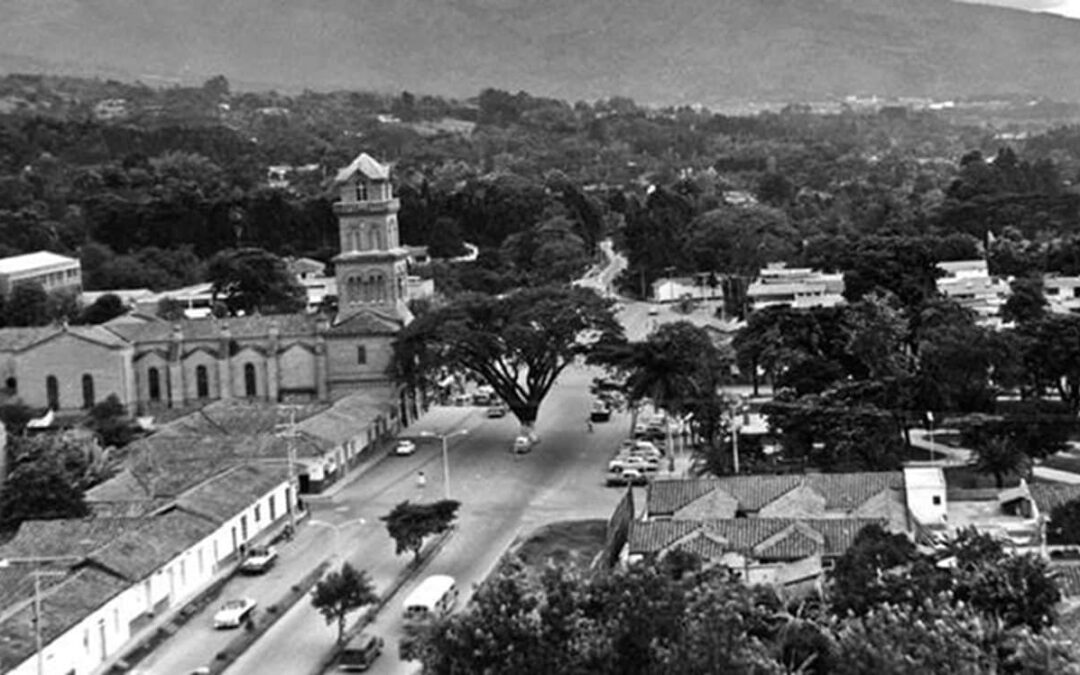
Medellín wasn’t born as an innovative city or a global example of transformation. Its history didn’t begin with international awards or headlines about social urbanism. It began with conquest, indigenous displacement, poverty, and long years of neglect. And precisely for that reason, understanding its origins is fundamental to grasping the strength and character that define it today.
The Valley Before the City
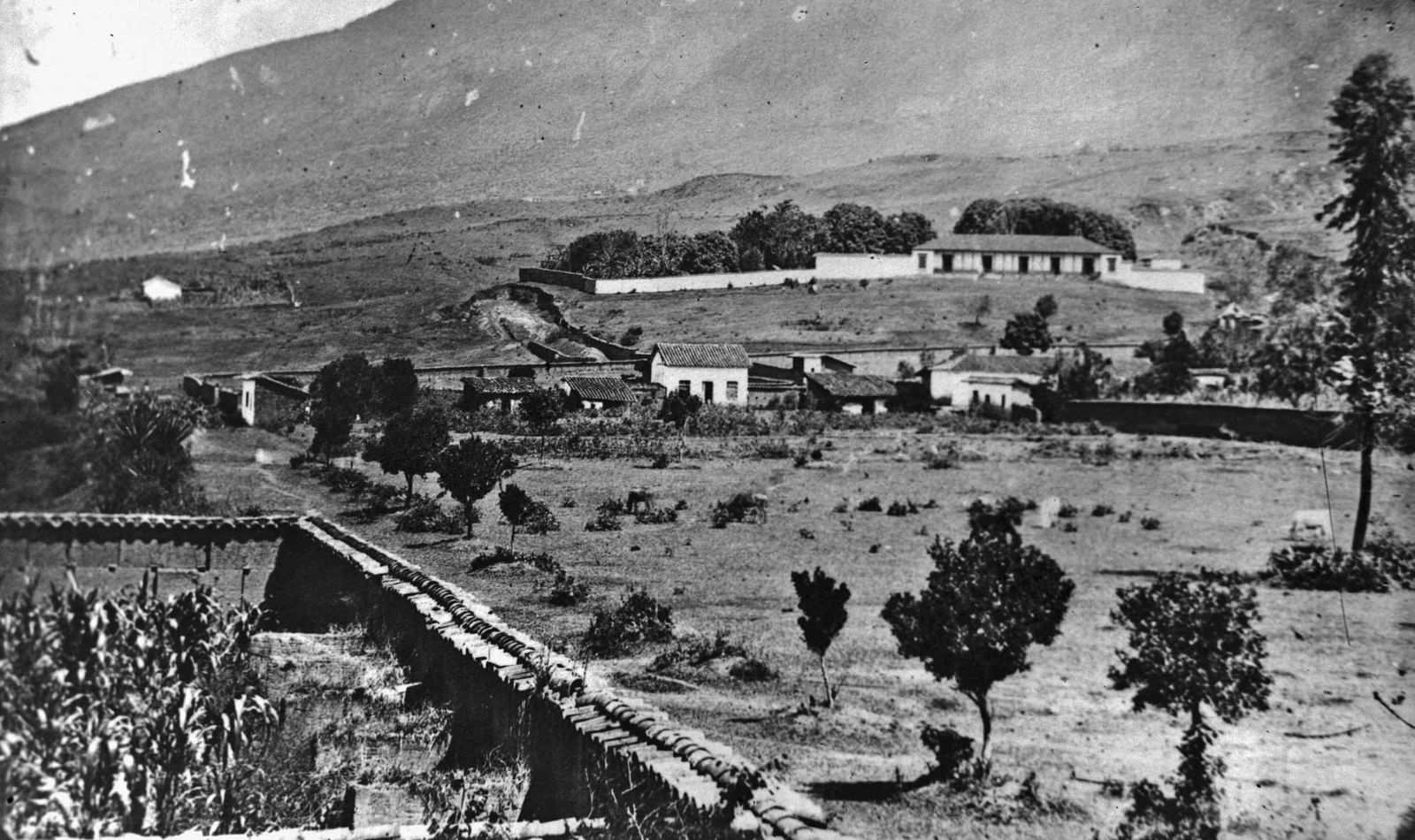
Long before Medellín existed as we know it, the territory was inhabited by indigenous peoples in the Aburrá Valley, communities that lived off agriculture, fishing, and cultural exchange. The arrival of the Spanish conquistadors radically transformed this balance: displacement, impositions, and a new social structure marked the beginning of a complex and painful history.
In 1616, the settlement of San Lorenzo de Aburrá was established, the direct predecessor of the city. Decades later, in 1675, it was recognized as a town under the name of Villa de Nuestra Señora de la Candelaria de Medellín. However, far from quickly becoming a prosperous center, the region spent centuries facing economic marginalization and isolation.
Centuries of Silent Construction
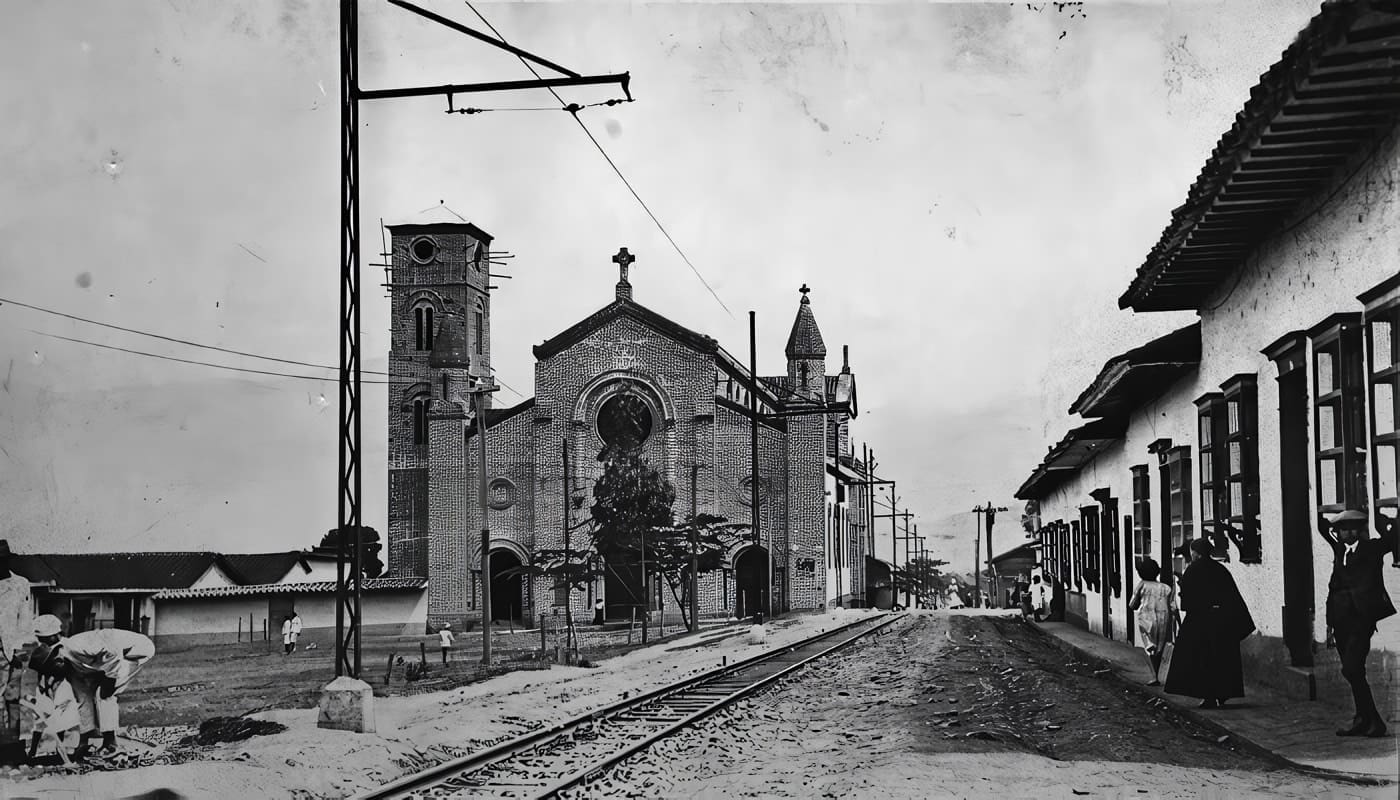
For a long time, Medellín was a small town, far removed from the major centers of power of the Viceroyalty. It had no port, no major trade routes, and no mineral wealth comparable to other regions. Its development was slow, almost silent.
But from this apparent disadvantage, something different began to take shape: a culture of work, of local commerce, of ingenuity in getting ahead with limited resources. This mentality would profoundly mark the identity of the Paisa people and the way the city would face its future challenges.

A City Marked by Pain
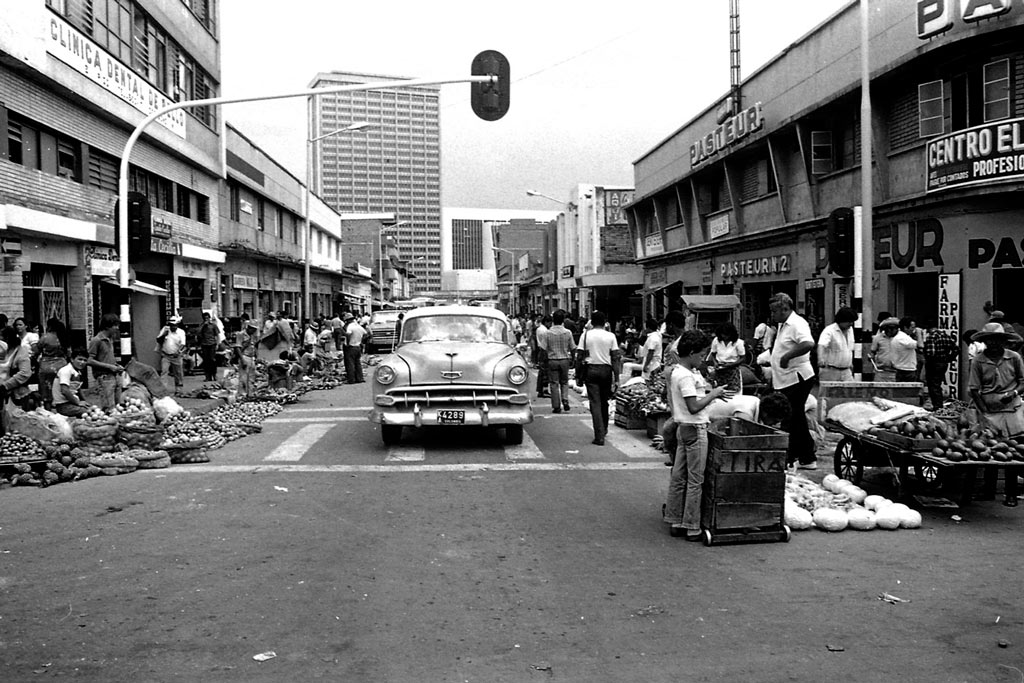
The 20th century brought industrialization, rapid growth, and opportunities. But it also brought inequality, violence, and one of the most difficult periods in its recent history. Medellín became known worldwide for reasons no one wanted: drug trafficking, armed conflict, and fear.
However, even in the midst of darkness, the city never stopped moving. Neighborhoods, communities, social leaders, and ordinary citizens began to build alternatives from the ground up. The transformation wasn’t immediate or perfect, but it was constant.
Reinventing Oneself to Survive
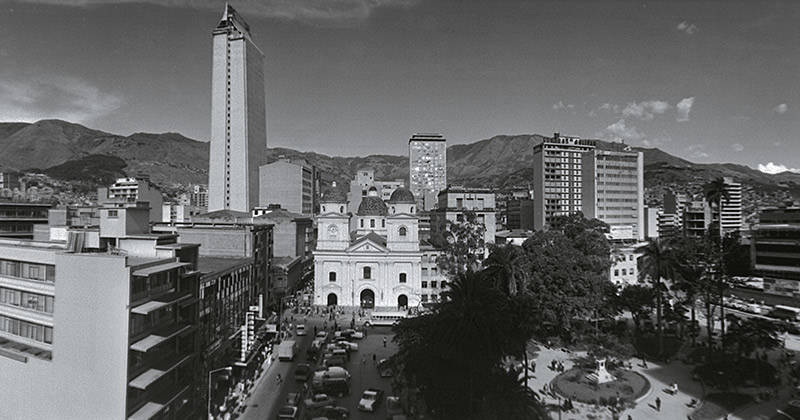
At the end of the 20th and beginning of the 21st centuries, Medellín began a profound process of urban and social transformation. Mobility projects, public spaces, libraries, parks, and community programs began to change not only the infrastructure but also the city’s narrative.
What was once a symbol of violence began to become a benchmark of resilience. What was born amidst conflict and deprivation found in adversity a reason to innovate.
Understanding the Origins to Understand the Present
Medellín isn’t innovative by chance. Its resilience isn’t accidental. It’s the result of centuries of challenges, learning, and collective decisions. Its history explains its character: a city marked by pain, but one that knew how to rise again, reinvent itself, and transform its destiny.
Understanding Medellín’s origins means understanding why it is the way it is today. It means recognizing that its transformation doesn’t erase the past, but rather engages with it. And it means remembering that cities, like people, aren’t defined by their wounds, but by what they do afterward.




MANA´s Blog
Teletrabajo en Medellín: Maximiza tu Productividad desde tu Apartamento MANA
El teletrabajo se ha convertido en una realidad para muchos, y Medellín, con su clima agradable y ambiente vibrante, es un destino ideal para trabajar a distancia. En MANA Apartments, entendemos las necesidades de los profesionales modernos y ofrecemos espacios...

Work remotely in Medellín: Maximize your productivity from your apartment with MANA
Remote work has become a reality for many, and Medellín, with its pleasant climate and vibrant atmosphere, is an ideal destination for working from home. At MANA Apartments, we understand the needs of modern professionals and offer spaces designed to maximize...
Hotel vs. Apartamento Amoblado en Medellín: ¿Cuál es la mejor opción para una estadía larga?
Cada vez más viajeros llegan a Medellín por motivos de trabajo, turismo médico, negocios o simplemente para disfrutar de la ciudad durante varias semanas. Una de las primeras decisiones que deben tomar es dónde hospedarse. Aunque los hoteles pueden ser una excelente...